Top 6 Online PDF Watermarking Tools for Fast Workflows
PDF watermarking is now part of everyday digital work. Freelancers, agencies, educators, marketers, and remote teams all share contracts, branded presentations, reports, media kits, and client files across devices. Nobody wants heavy desktop software anymore. People expect quick browser-based editing instead. Convenience and workflow speed now matter as much as document protection itself.
Modern PDF watermarking platforms solve different editing problems. Some focus on quick batch processing. Others combine watermarking with signing, conversion, collaboration, or cloud-connected workflows. Editing flow, browser responsiveness, and interface simplicity often matter more than raw feature count. The six tools below approach online watermarking differently. Here is how they compare.
Best PDF Watermarking Tools Worth Trying
No single platform works perfectly for every workflow. Some people handle dozens of branded PDFs daily. Others occasionally edit contracts, proposals, or reports. The tools below were selected because they approach online PDF watermarking from different angles. None of them copies the same workflow style.
1. Watermarkly
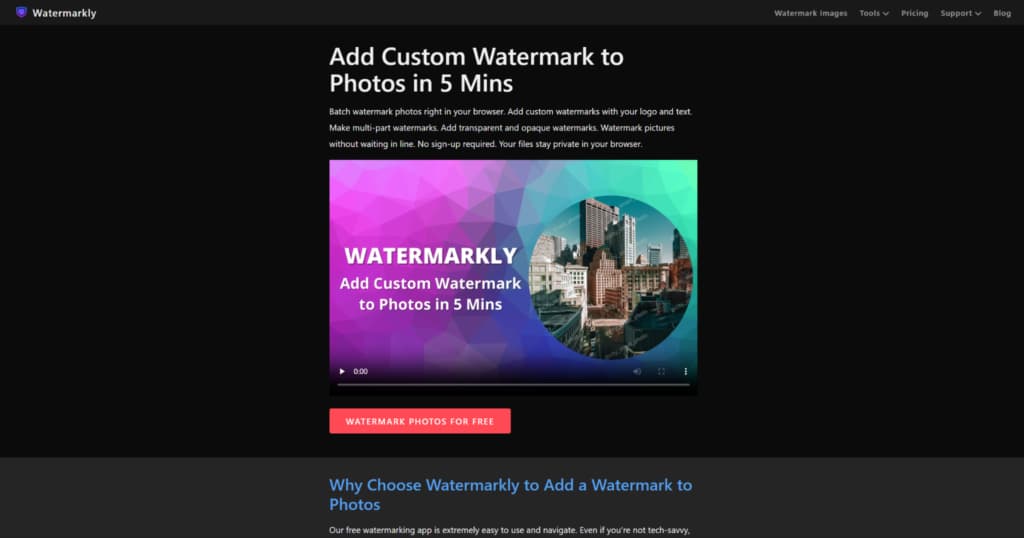
Watermarkly is a browser-based PDF watermarking tool. Speed and simplicity drive its design. You can add text or logo overlays without signing up or installing anything. The interface stays approachable for beginners but still works smoothly for repetitive editing tasks. Freelancers, creators, educators, and small business owners working with branded documents will appreciate the lightweight workflow.
Batch processing fits Watermarkly best. Users handling multiple PDFs, presentations, educational materials, or branded files get things done fast. The tool works especially well when you want to avoid complicated document systems and unnecessary setup steps. No account noise. Just editing.
The platform removes many small workflow frustrations that usually slow down repetitive editing sessions. Key advantages include:
- Browser-based PDF watermarking with no installation;
- Support for both text and logo overlays;
- Batch processing for multiple files at once;
- Mobile access with free daily processing options;
- Additional resizing, cropping, and compression tools.
The editing process stays fast even with multiple files in one session. No cluttered menus. The workflow stays clean and straightforward.
Watermarkly fits users who prioritize quick execution and clean browser-based editing. Feature-heavy document ecosystems? Not here. Just practical work.
2. LightPDF
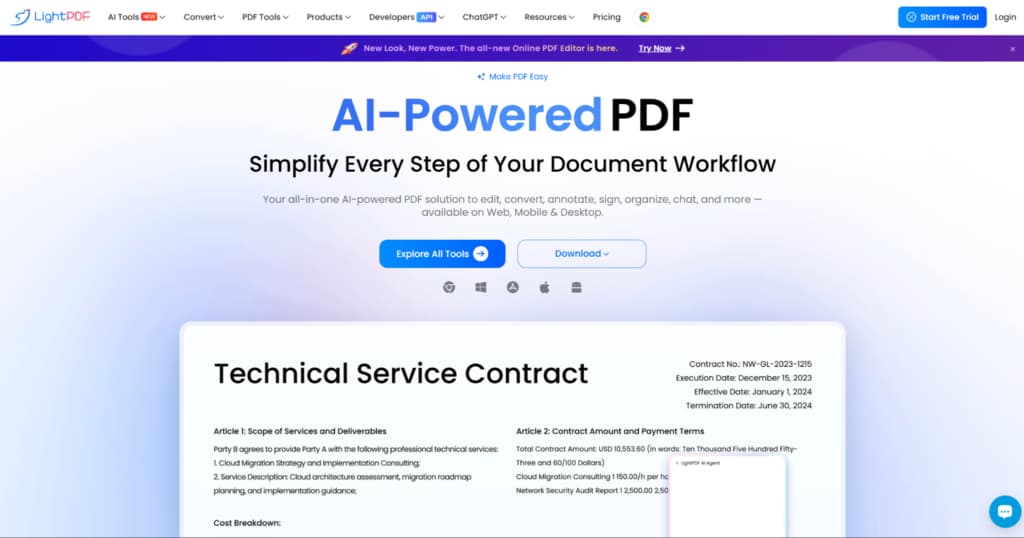
LightPDF is a cloud-focused PDF editing platform. Watermarking comes alongside document conversion, OCR, compression, and AI-supported utilities. The interface feels modern and browser-oriented while still covering a broad range of PDF tasks.
Remote workers, students, creators, and professionals will like this tool. People frequently switch between editing, conversion, and lightweight document management during the same workflow. You stay in one place.
The service becomes especially practical for users who want several PDF functions without relying on separate tools. Here is what works well:
- Browser-based PDF editing and watermarking;
- OCR and conversion functions inside one platform;
- Lightweight cloud-focused workflow;
- Modern interface with accessible navigation;
- Useful mix of editing and document utilities.
The platform leans more toward convenience and workflow flexibility than highly specialized editing depth. This balance works fine for everyday document handling.
LightPDF suits users who want a broader online PDF workspace. The editing process stays relatively simple. No steep learning curve.
3. Soda PDF
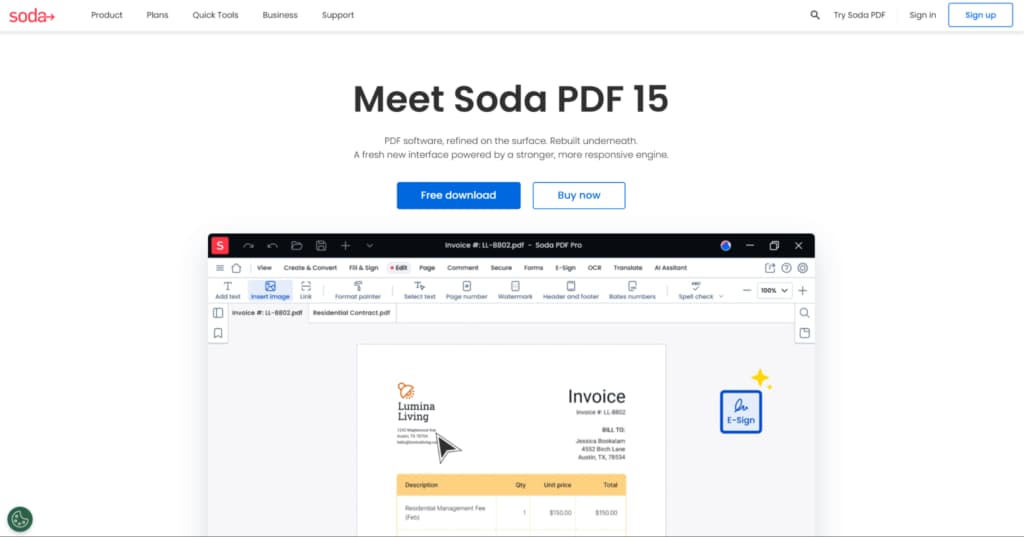
Soda PDF combines browser accessibility with desktop-style editing workflows. Watermarking exists alongside conversion, signing, organization, and collaboration features. The service feels closer to a full editing suite than a lightweight browser utility.
Office workflows fit Soda PDF best. Recurring document handling, business forms, and structured PDF files throughout the day all work well here. You get more control than basic tools offer.
The platform stands out because it blends traditional PDF editing structure with online accessibility. Key features include:
- Browser and desktop-style editing experience;
- Watermarking alongside signing and organization tools;
- Broad PDF conversion support;
- Structured workflow for recurring document tasks;
- Collaboration-friendly editing environment.
The interface contains more layers than minimalist browser-based tools. Some users will appreciate the additional controls. Others may prefer faster, lightweight workflows.
Soda PDF works best for people who treat PDFs as part of larger office and document management routines. Casual users might find it too heavy.
4. pdfFiller
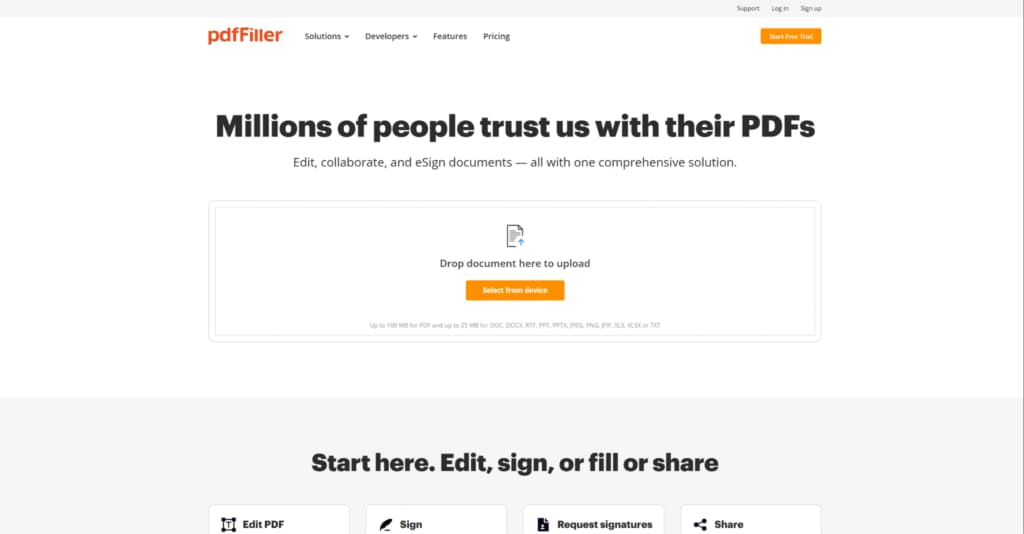
pdfFiller is a document-focused platform. Watermarking exists alongside signatures, editing, approvals, and file sharing. The platform leans heavily toward business workflows and collaborative document handling.
Teams handling recurring paperwork will benefit most. Shared contracts, client-facing forms, and internal approval processes all fit here. Documents move through several stages inside one environment.
The platform’s biggest advantage comes from keeping multiple workflow steps together. Strong points include:
- Integrated editing and document sharing;
- eSignature and approval support;
- Browser-based access across devices;
- Watermarking combined with form management;
- Team-oriented document workflows.
The platform feels more structured and business-oriented than simpler browser watermarking tools. Casual users probably do not need all these extra systems.
pdfFiller makes the most sense for teams treating PDFs as part of ongoing document operations. Isolated editing tasks? There are lighter options.
5. PDF Candy
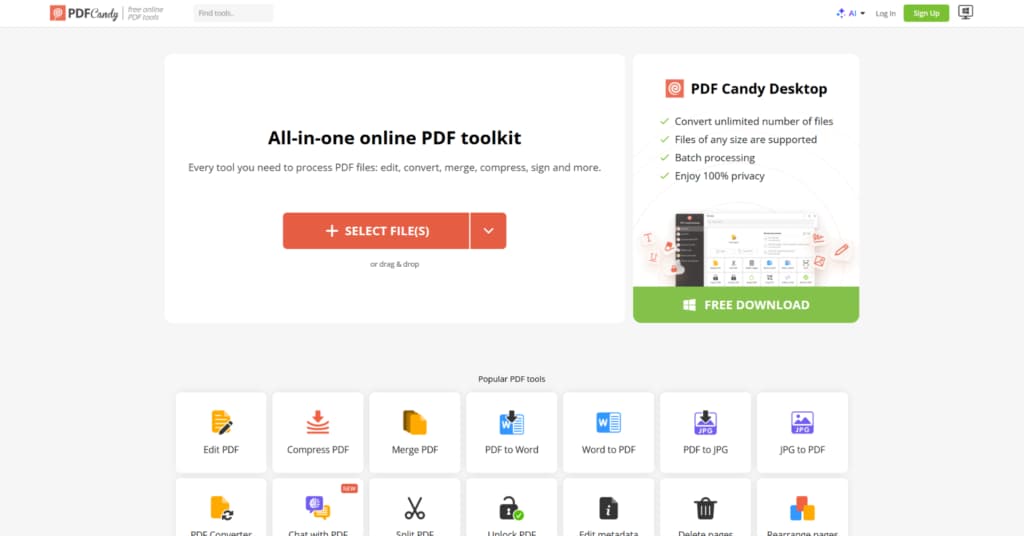
PDF Candy is a browser-based PDF toolkit. Accessibility and broad utility coverage drive its design. Watermarking sits alongside conversion, compression, splitting, merging, and other lightweight editing tools. The interface keeps the learning curve low.
Freelancers, students, casual editors, and smaller teams will enjoy this service. People looking for flexible browser editing without complicated systems or advanced setup. No training required.
The platform appeals to users who prefer having many lightweight utilities available inside one browser environment. Key advantages include:
- Wide range of PDF utilities inside one platform;
- Quick browser-based watermarking workflows;
- Beginner-friendly editing experience;
- Accessible navigation for casual users;
- Flexible conversion and document tools.
The service feels more utility-oriented than workflow-heavy. This makes the platform approachable but less specialized for advanced document management.
PDF Candy suits users wanting quick browser-based editing. No need for larger collaboration or approval systems. Just simple tools.
6. AvePDF
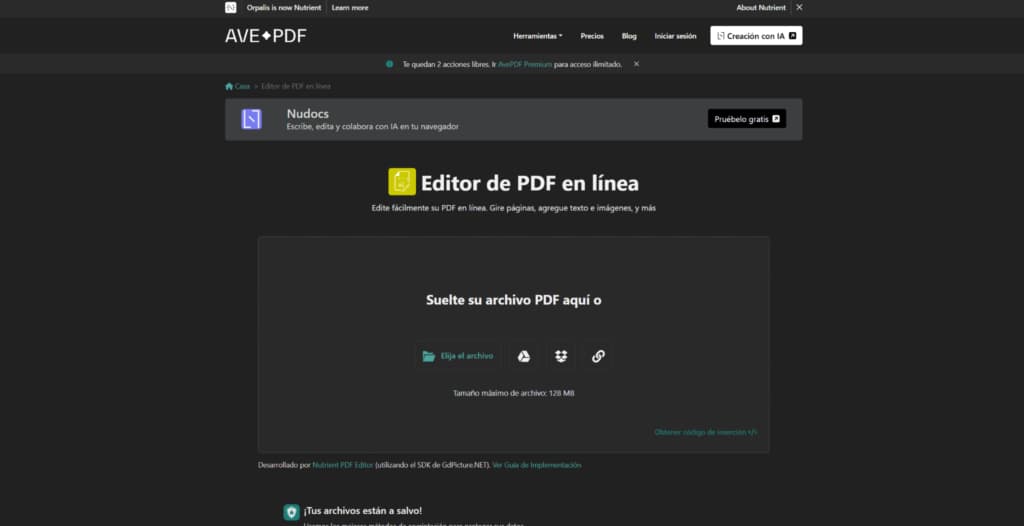
AvePDF focuses on straightforward browser workflows and lightweight document handling. Watermarking combines with conversion, protection, signing, and organization functions inside the same ecosystem. The interface keeps things clean.
Occasional business editing works well here. Lightweight document protection, remote file sharing, and everyday PDF maintenance tasks where simplicity matters. You get in and out fast.
The platform balances browser convenience with a broader collection of editing functions. Strong points include:
- Browser-based PDF editing tools;
- Watermarking alongside conversion and signing;
- Lightweight document protection features;
- Simple navigation across devices;
- Practical workflow for everyday PDF tasks.
The service stays cleaner and less overwhelming than larger enterprise-focused suites. This makes onboarding easier for casual and mid-level users.
AvePDF fits users wanting balanced browser editing. You avoid overly technical document systems. Straightforward and practical.
Final Thoughts
Online PDF watermarking tools now cover much broader workflow needs than simple document branding. Some platforms focus on speed and simplicity. Others lean into collaboration, conversion, or structured document management. Workflow style matters more than raw feature count when comparing tools.
Freelancers, agencies, creators, and remote teams all approach PDF editing differently. Some prioritize fast batch processing. Others care more about sharing, approvals, or broader editing flexibility. Pick the platform that feels most natural inside your daily workflow. Chasing the largest toolkit rarely works out well.